Services
Solar Panel Feasibility
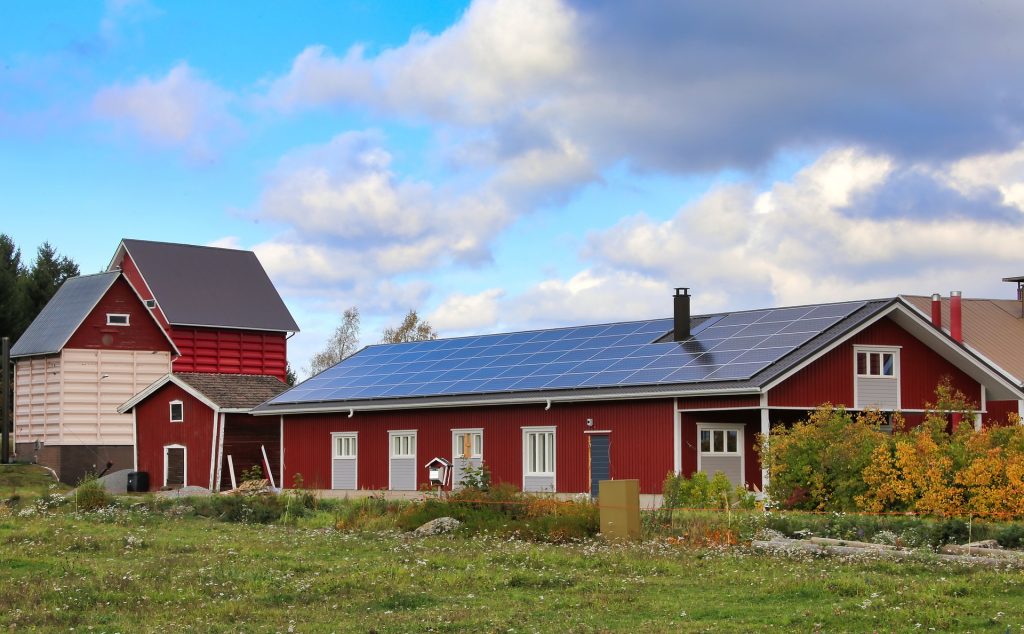
We are happy to provide our valued customers a feasibility study to be sure that their investments is profitable. Our dedicated team of experts conducts thorough evaluations to determine the suitability of solar panel installations for your specific requirements. Through meticulous analysis of factors such as location, sunlight exposure, energy consumption patterns, and budget considerations, we provide you with a detailed report outlining the potential benefits and feasibility of integrating solar panels into your energy strategy. With our Solar Panel Feasibility services, you can make informed decisions about harnessing clean and sustainable energy while maximizing cost savings and minimizing environmental impact.
Solar Panel Installation
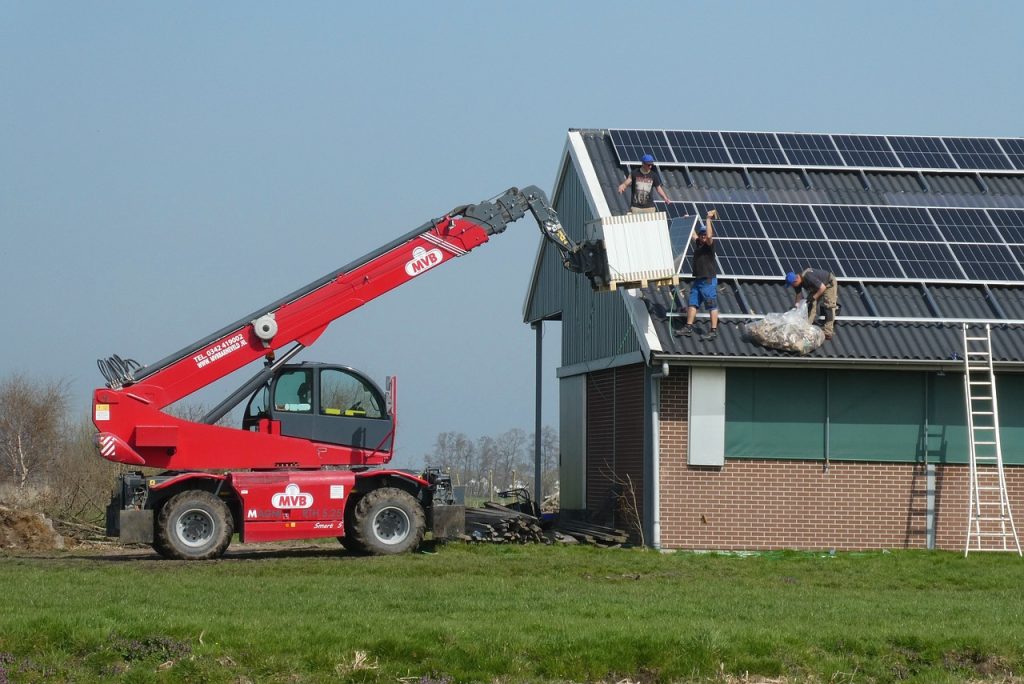
We take pride in offering top-notch Solar Panel Installation services that empower you to embrace renewable energy with ease. Our skilled team of technicians is dedicated to transforming your space into a hub of clean energy generation. We handle every aspect of the installation process, from site assessment and system design to the actual setup of solar panels, ensuring a seamless and efficient transition to sustainable power. With a focus on quality, reliability, and customer satisfaction, we tailor each installation to your unique needs, maximizing energy output and long-term savings. Experience the benefits of solar energy firsthand with our professional Solar Panel Installation services.
Solar System Maintenance
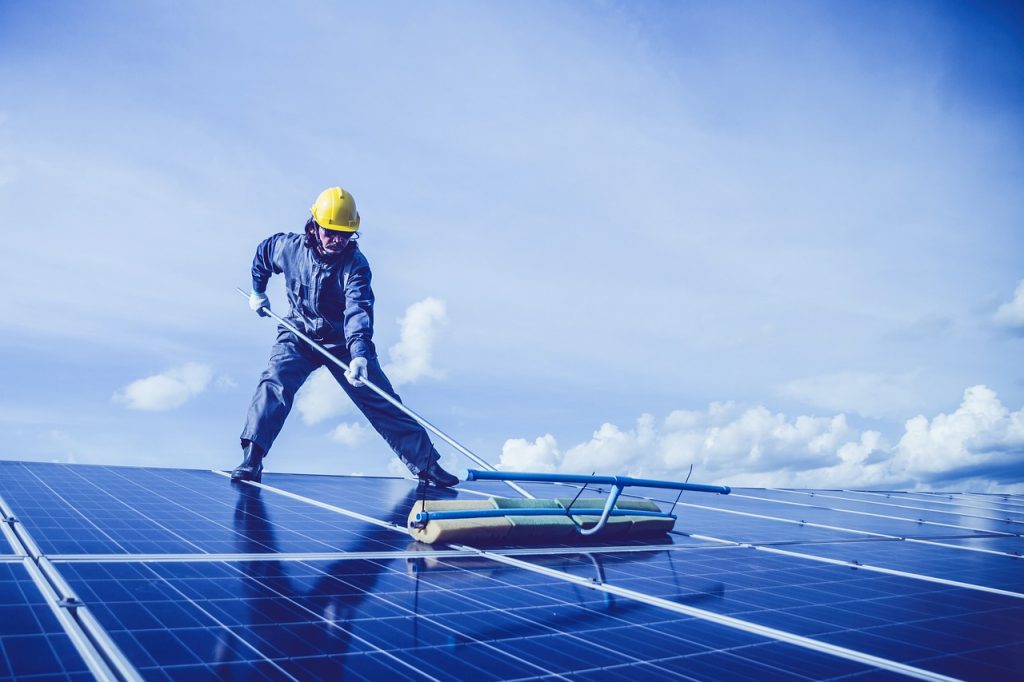
Solar panel maintenance is crucial for ensuring the optimal performance and longevity of your solar power system. Regular maintenance helps maximize energy production, extend the lifespan of the panels, and prevent potential issues. We provide different services such as: 1- Regular Cleaning: Dust, dirt, leaves, bird droppings, and other debris can accumulate on the surface of solar panels, reducing their efficiency. 2- Visual Inspection: Periodically inspect the panels for any visible damage, such as cracks or signs of wear. Address any issues promptly to prevent further damage. 3- Monitor Energy Production: Many solar systems come with monitoring systems that allow you to track the energy production of each panel. 4- Check Wiring and Connections 5- Inverter Maintenance 6- Safety: Before performing any maintenance, ensure that the system is safely disconnected from the grid and that you follow appropriate safety precautions.
F.A.Q.
Frequently Asked Questions (FAQ) about Solar Farms
A solar farm, also known as a solar power plant or solar park, is a large-scale installation of solar panels that convert sunlight into electricity. These panels are strategically arranged on open land or rooftops to maximize energy production.
Solar panels contain photovoltaic (PV) cells that absorb sunlight and convert it into direct current (DC) electricity. An inverter then converts the DC electricity into alternating current (AC) electricity, which can be used to power homes, businesses, and industries.
Solar farms offer several benefits, including:
- Renewable Energy: Solar power is clean and renewable, reducing reliance on fossil fuels.
- Environmental Impact: Solar farms produce little to no greenhouse gas emissions, helping to mitigate climate change.
- Energy Independence: Solar energy reduces dependence on imported fossil fuels.
- Job Creation: The development, construction, and maintenance of solar farms create jobs in local communities.
- Low Operating Costs: Once built, solar farms have minimal operating and maintenance costs compared to traditional power plants.
Solar panels are mounted on racks or structures that are often adjustable to optimize their angle toward the sun. The panels are connected in arrays, and wiring connects the arrays to inverters, which convert the electricity for grid integration.
The most common type of solar panels used in solar farms are crystalline silicon panels, including monocrystalline and polycrystalline panels. Thin-film solar panels are also used in some cases due to their flexibility and suitability for certain applications.
The electricity generated by a solar farm can be used in a few ways:
- On-Grid Integration: The power can be fed into the local electrical grid and distributed to homes and businesses.
- Off-Grid or Direct Consumption: Some solar farms provide energy directly to a specific user, such as an industrial facility or data center.
- Hybrid: In a hybrid self-usage system, a consumer utilizes solar power for their own energy needs while still being connected to the grid.
Solar panels typically have a lifespan of more than 50 years, but they can continue to generate electricity beyond this period, albeit at a little reduced efficiency. Maintenance and regular inspections can help extend the life of a solar farm.
Solar farms primarily generate electricity when the sun is shining. At night or on cloudy days, electricity production decreases significantly. However, energy storage solutions, like batteries, can store excess energy during sunny periods for use when sunlight is scarce.
The land required for a solar farm varies depending on factors like the capacity of the farm and the efficiency of the panels. Generally, a utility-scale solar farm requires around 5 to 10 acres per megawatt (MW) of installed capacity.
While solar farms have minimal direct environmental impact, their construction may involve land clearing and habitat disruption. Proper site selection and management can help mitigate these impacts, and some solar farms incorporate pollinator-friendly plants to support local ecosystems.